GIDS news media, articles, insights and virtual events educate and illuminate its audiences so they can be fully prepared to deal with the new realities at work and in their professions.
AI Beyond the Keyboard: Speech Synthesis, Recognition, and Accessible AI
Tue, April 27Front-End & Experience EngineeringAI-Native Software
For many developers, AI has become synonymous with text: prompts, tokens, source code, and chatbot responses. But text represents only a fraction of human communication. Advances in speech recognition and synthesis are opening new ways for people to interact with AI through sound and voice.
In this session, you will explore how modern speech AI can make technology more accessible and move interaction beyond the keyboard. You will examine how lightweight, on-device models enable natural voice input that can be faster than typing, generate frame-accurate closed captions and podcast transcripts in seconds, and produce lifelike synthesised speech with human prosody, including subtle pauses and breathing.
You will also consider how speech, sound, and multimodal design can expand the ways people interact with AI, making voice a more natural and accessible part of the user experience.
What You Will Learn
How lightweight, on-device AI models enable natural voice input
How speech recognition can generate accurate captions and transcripts
How speech synthesis produces lifelike voices with natural prosody
How speech and multimodal design can make AI interactions more accessible
Who Should Attend
Software Developers, AI Engineers, Front-end Engineers, UX Engineers, Accessibility Practitioners, and technical professionals interested in speech AI and multimodal interfaces.
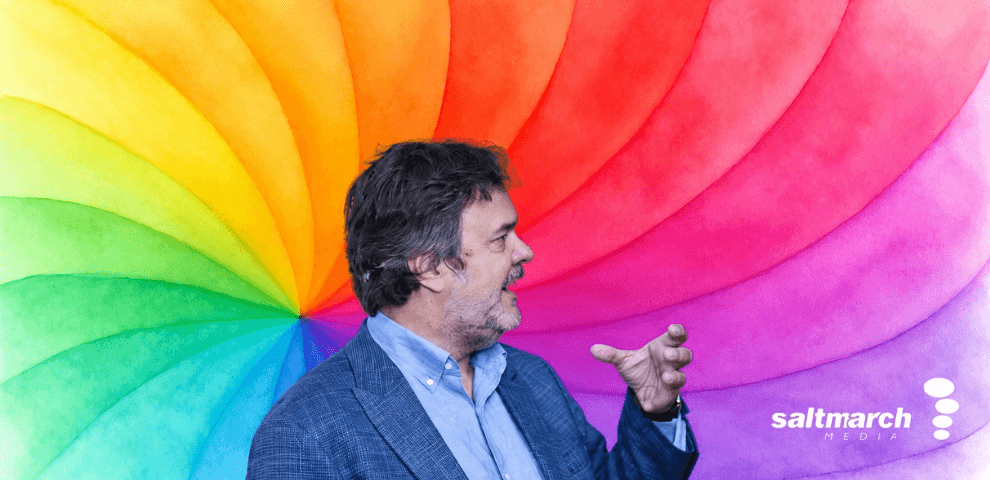
Scott Davis is a Web Architect and Digital Accessibility Advocate, focusing on the multisensory aspects of web development. In a world where half of all Google searches are done by voice, and 80% of all social media videos are watched with the sound off and closed captions on, accessibility is a springboard for innovation.