GIDS news media, articles, insights and virtual events educate and illuminate its audiences so they can be fully prepared to deal with the new realities at work and in their professions.
The demand for AI data centers is growing rapidly, placing increasing pressure on power infrastructure. Could putting those data centers in space make sense? The balance of cost, performance, latency, power, cooling, and reliability makes this a difficult engineering problem, but one with significant potential for the future.
In this session, Richard Campbell explores what it would take to deploy AI compute in orbit. You will examine the architecture of a satellite and its requirements for control, navigation, power, cooling, and communications, along with how latency affects the choice of orbit. The session also considers collision avoidance and the management of Kessler Syndrome, providing a practical look at both the possibilities and constraints of operating compute in space.
What You Will Learn
The practical requirements for operating compute in space
How cost, performance, latency, power, cooling, and reliability shape the architecture
How orbit selection, collision avoidance, and Kessler Syndrome affect the feasibility of space-based compute
The potential role of space-based infrastructure in providing compute in the future
Who Should Attend
Software and Solution Architects, Infrastructure and Platform Engineers, Technical Leaders, and practitioners interested in AI infrastructure, large-scale compute, and the engineering challenges of space-based systems.
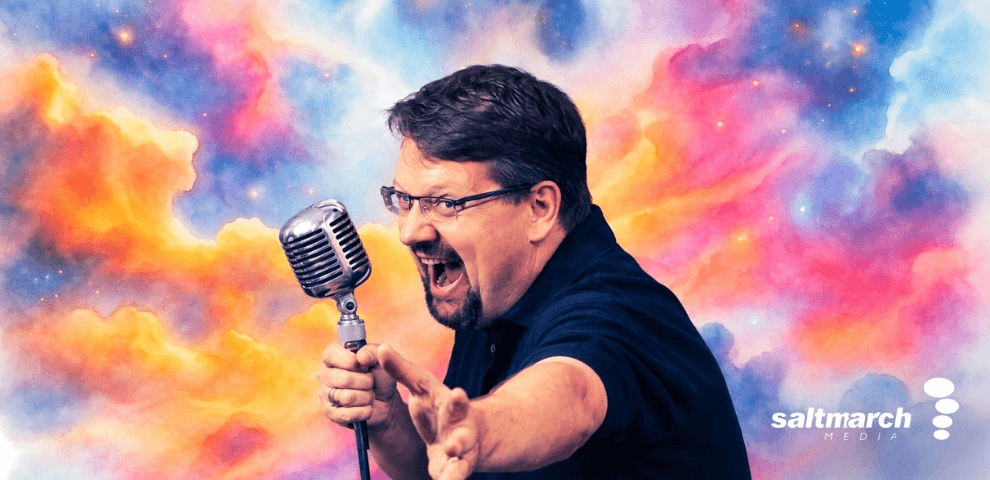
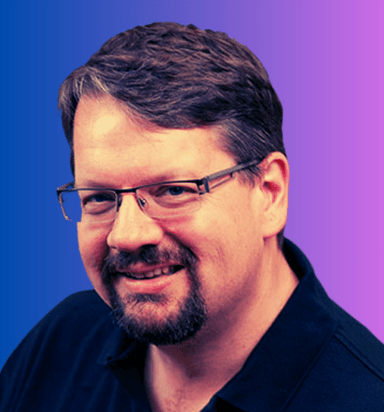
Host of .NET Rocks, RunAs Radio and Windows Weekly
Richard Campbell wrote his first line of code in 1977. His career has spanned the computing industry, both on the hardware and software sides, development, and operations. He was a co-founder of Strangeloop Networks, acquired by Radware in 2013, and was on the board of directors of Telerik, which was acquired by Progress Software in 2014. Today, he is a consultant and advisor to several successful technology firms and hosts three podcasts: .NET Rocks! for .NET developers, RunAs Radio for IT Professionals, and Windows Weekly.