GIDS news media, articles, insights and virtual events educate and illuminate its audiences so they can be fully prepared to deal with the new realities at work and in their professions.
Bandwidth is the oxygen that feeds the internet, and the undersea cable network provides that bandwidth across the world’s oceans. These cables span thousands of kilometres and form an essential part of the infrastructure on which modern technological life depends.
In this session, Richard Campbell explores the evolution of undersea cabling, culminating in today’s fibre-optic cable connections. You will examine how these cables are made, laid, maintained, damaged, and repaired, along with the engineering decisions and trade-offs involved in balancing communication performance and cost. You will also explore the risks facing this infrastructure and what happens when it fails.
What You Will Learn
Why undersea cable infrastructure is essential to modern technological life
How undersea cables are created, operated, maintained, and repaired
The risks to undersea infrastructure and the impact of its failure
Who Should Attend
Software Engineers, Infrastructure and Network Engineers, Software Architects, Technical Leaders, and anyone interested in the physical infrastructure that supports the internet.
Host of .NET Rocks, RunAs Radio and Windows Weekly
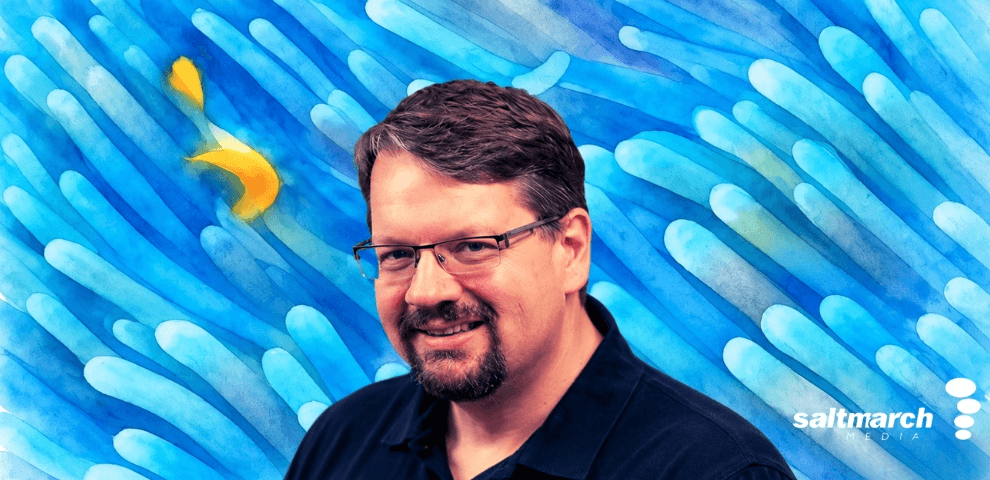
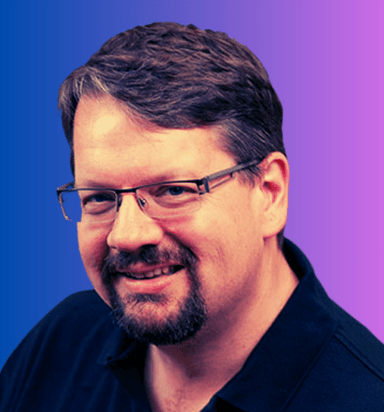
Richard Campbell wrote his first line of code in 1977. His career has spanned the computing industry, both on the hardware and software sides, development, and operations. He was a co-founder of Strangeloop Networks, acquired by Radware in 2013, and was on the board of directors of Telerik, which was acquired by Progress Software in 2014. Today, he is a consultant and advisor to several successful technology firms and hosts three podcasts: .NET Rocks! for .NET developers, RunAs Radio for IT Professionals, and Windows Weekly.