GIDS news media, articles, insights and virtual events educate and illuminate its audiences so they can be fully prepared to deal with the new realities at work and in their professions.
Tue, April 27AI-Assisted Software EngineeringArchitecture & Distributed Systems
The ground under software is moving quickly. Assumptions on which we built entire practices are changing: that a human is in the loop, that a human consumes the output, that writing code is the expensive part, and that the person who wrote the code can explain what it meant. These assumptions have shaped how software is built, yet we have had little time to examine which of our answers still hold.
In this session, you will explore why applying AI primarily to make existing ways of working faster may miss the deeper change taking place. As Arlo Belshee puts it, we may not have removed the toil so much as traded work toil for vigilance toil, moving from writing the code to watching what the machine wrote. Is that inevitable, or is it what happens when new capabilities are applied to an old mental model?
You will examine which established software development patterns still make sense as the underlying variables change, which may no longer fit, and what our idea of code itself could become. The session then looks at people already building what comes next and offers a glimpse of how software development might evolve. Everything in tech is changing. The question is whether we are changing with it.
What You Will Learn
Which assumptions underlying established software development practices are changing
Why making existing ways of working faster may not address the deeper shift created by AI
How AI can move toil from producing code to supervising what machines produce
How to reconsider software development patterns and the role of code as the underlying variables change
Who Should Attend
Software Developers, Software Architects, Technical Leads, Staff and Principal Engineers, Engineering Managers, and technology practitioners thinking about how AI is changing software development.
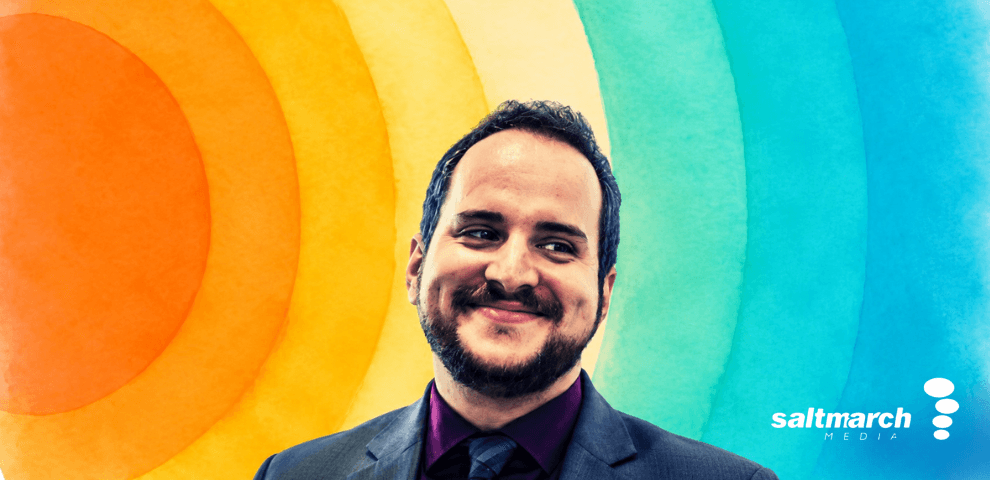
Michael Carducci is a seasoned IT professional with over 25 years of experience, an author, and an internationally recognized speaker, blending expertise in software architecture with the artistry of magic and mentalism. His upcoming book, "Mastering Software Architecture," reflects his deep understanding of the multifaceted challenges of building resilient, effective software systems and high-performing teams. Michael's career spans roles from individual contributor to CTO, with a particular focus on strategic architecture and holistic transformation.
As a magician and mentalist, Michael has captivated audiences in dozens of countries, applying the same creativity and problem-solving skills that define his technology career. He excels in transforming complex technical concepts into engaging narratives, making him a sought-after speaker and emcee for tech events worldwide.
In his consulting work, Michael adopts a holistic approach to software architecture, ensuring alignment with business strategy and operational realities. He empowers teams, bridges tactical and strategic objectives, and guides organizations through transformative changes, always aiming to create sustainable, adaptable solutions.
Michael's unique blend of technical acumen and performative talent makes him an unparalleled force in both the tech and entertainment industries, driven by a passion for continuous learning and a commitment to excellence.